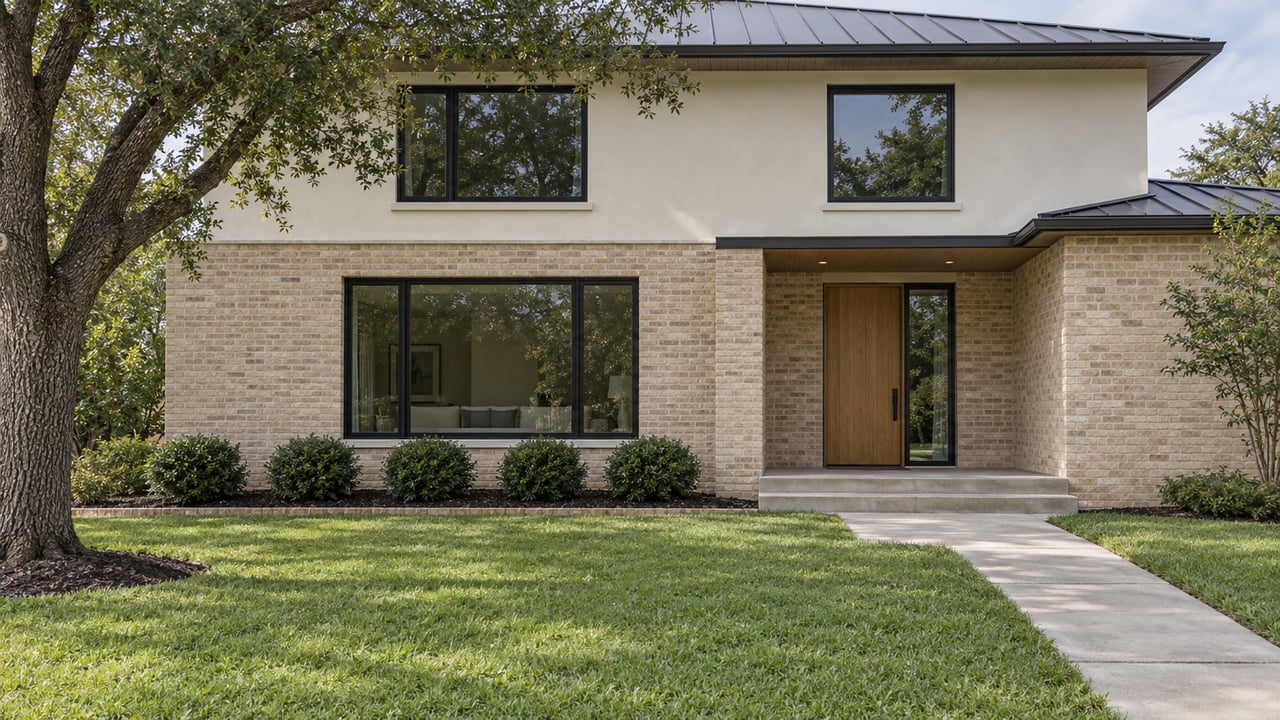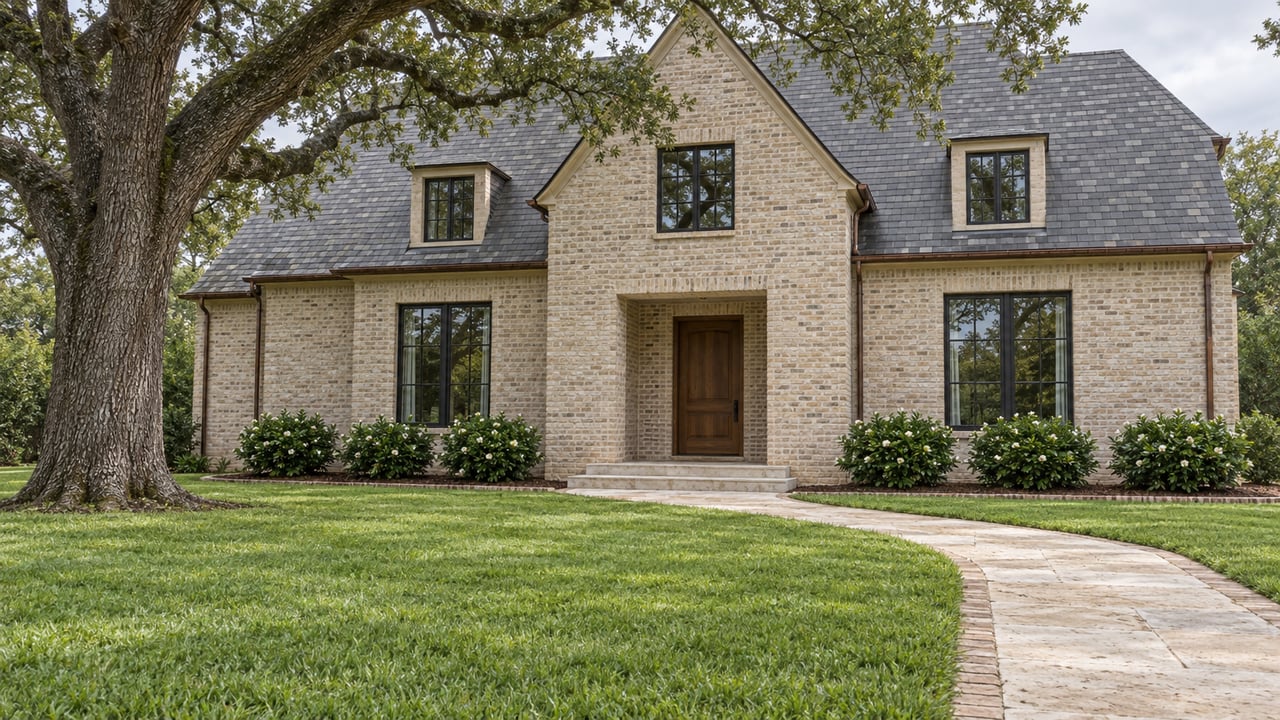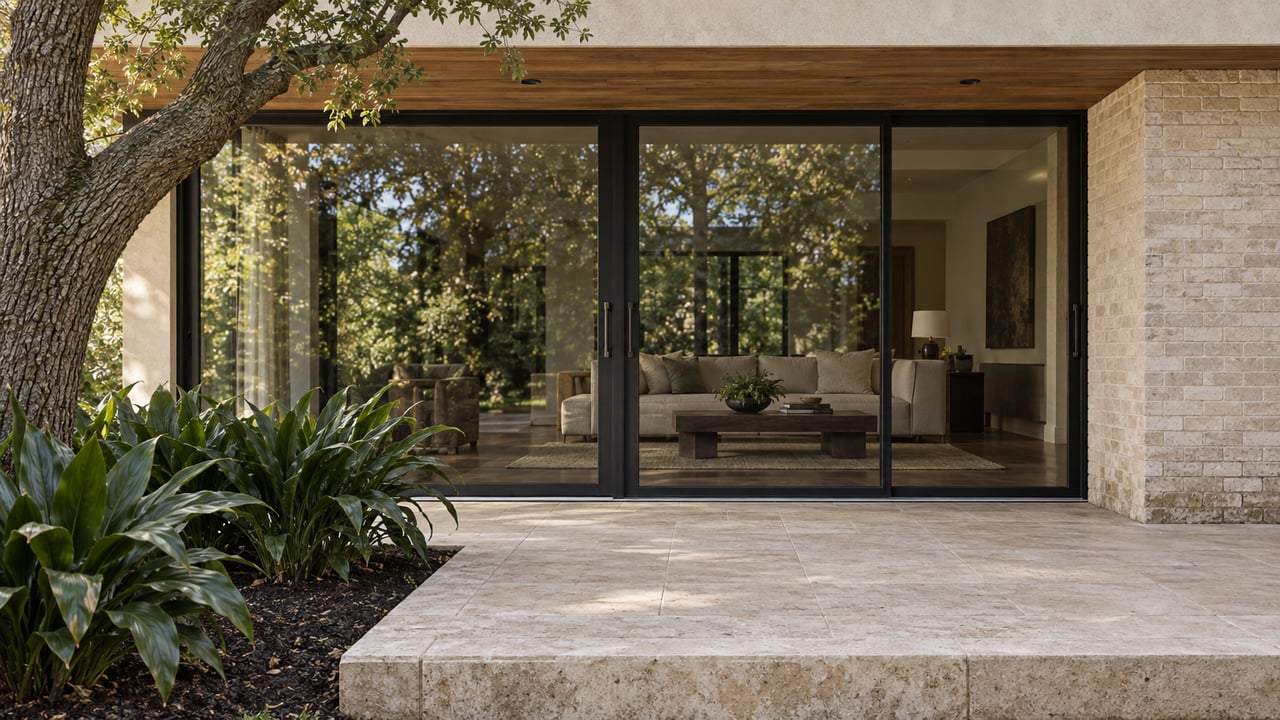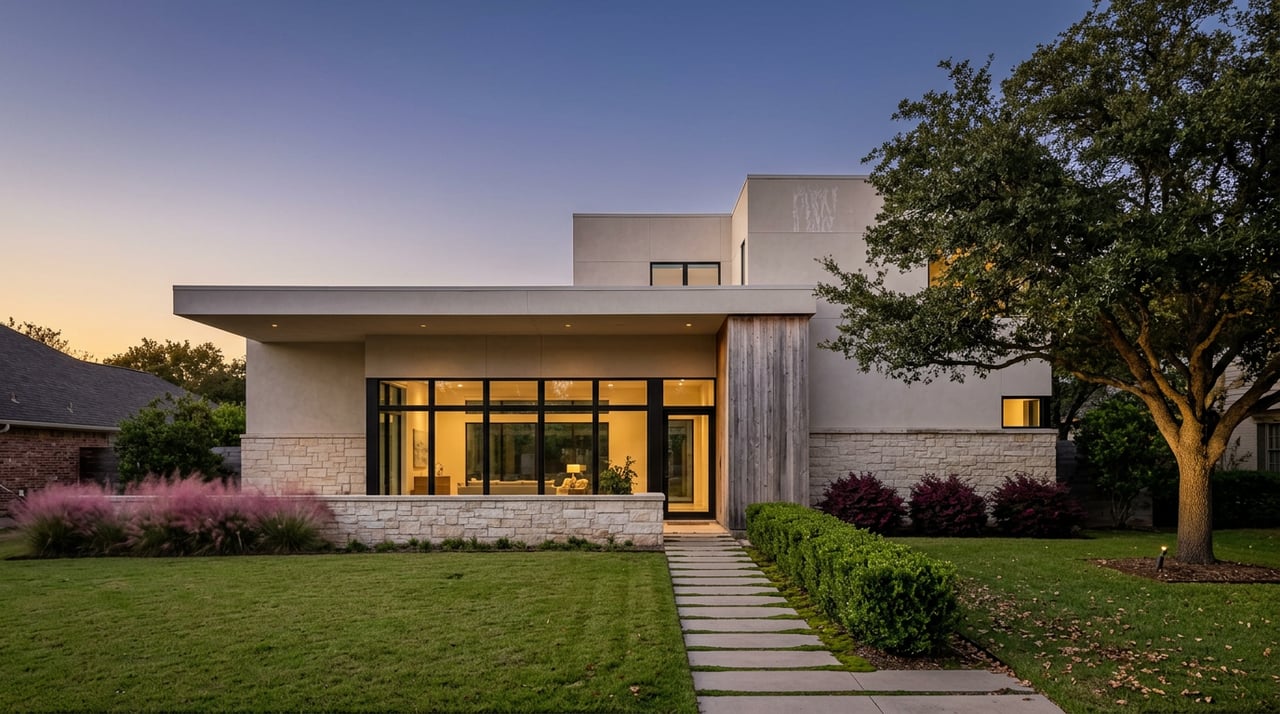
A house on a wide Spring Branch lot goes under contract in a week. The buyer assumes she won the bidding war against another family who wanted the same thing she did: a move-in-ready home near the Energy Corridor with a big enough yard for the dog. She didn't. She was bidding against a builder who saw a 10,000-square-foot lot, and she happened to offer more than the dirt was worth to him that week. Next door, a nearly identical ranch home sits for months, priced like a renovation project, because its lot is too narrow to split and no builder wants it.
Same neighborhood. Same decade of construction. Two completely different markets, stacked on top of each other, and most people comparing Zillow screenshots never notice the seam.
The Question Most Buyers Ask Wrong
Anyone shopping Spring Branch against Memorial Villages, the Heights, or Memorial West eventually asks some version of: what's the median price here, and what does it actually buy? That's the wrong first question. The right one is which market is this specific house competing in, the end-user market or the builder market, because in Spring Branch those two markets price the same square footage completely differently.
Spring Branch is one of the few pockets left near Houston's core where the original housing stock still sits on genuinely large lots: single-story brick ranch homes built mostly in the 1950s and 1960s, many on a quarter acre or more, at a time when land here was cheap and nobody was thinking about future subdivision. Houston never adopted the kind of zoning that would have frozen those lots at one house each. That absence of zoning is the entire reason the math works the way it does.
What Houston's Lack of Zoning Actually Allows
Houston is famously the largest U.S. city without traditional zoning, but that doesn't mean anything goes. Development here is governed instead by Chapter 42 of the city's development ordinance, which controls subdivision platting, minimum lot dimensions, and building lines. If a builder wants to turn one large residential lot into two, they don't need a zoning variance. They need an approved plat or replat through the City of Houston's Planning and Development Department, which reviews lot configurations, street access, and drainage before a new legal lot can exist.
That process is routine enough in Spring Branch that entire blocks have flipped from all-original to a mix of 1960s ranch homes and new construction within a handful of years. A city permit alone won't override a recorded deed restriction, and Houston notes that those private restrictions can vary block by block, even lot by lot within the same subdivision, so the process isn't as simple as "any big lot, any builder, any time."
A builder pricing that lot isn't asking what a family would pay to live in the existing house. They're asking what two finished new-construction homes could sell for once the old one comes down, then working backward to what the dirt is worth today. That number frequently beats what an end-user buyer would offer for the house as-is, which is why an unrenovated ranch home on a big lot can pull a stronger offer from a builder than from a family who actually wants to live in it.
What the Price-Per-Square-Foot Trend Is Really Measuring
Here's where the story stops being anecdotal. Spring Branch's median price per square foot climbed from roughly $85 in 2012 to $214 in 2024, a gain of more than 150 percent in twelve years. That is not a normal appreciation curve for a stable, built-out neighborhood of mid-century homes. In a market where the structures themselves aren't getting bigger or newer on average, a jump like that is really a land story wearing a housing story's clothes. It's the market repricing the dirt underneath these houses faster than it's repricing the houses.
You can see the same split in what's actually for sale right now. As of August 2026, new construction in Spring Branch was averaging $726,748 at $259 a square foot, according to Houston Association of Realtors data for the neighborhood. That average spans a genuinely wide range: compact three-story townhomes on re-platted infill lots start near $400,000, detached new construction in mid-range gated pockets runs roughly $410,000 to $890,000, and custom builds on the larger original lots start above $1 million and run well past $2 million. A recently completed new home at 9320 Spring Branch Drive, sitting on 0.28 acres with just over 4,000 square feet, listed at $1,395,000 and closed above that number in January 2026. A few streets over, a listing at 9825 Westview Drive on an 8,400-square-foot lot was marketed explicitly as a renovate-or-rebuild opportunity, priced to appeal to a family looking for a project and a builder looking for a teardown at the same time.
That's the dual market in miniature. Two buyer pools, one street, and a listing agent who has to decide which pool to write the description for.
For context on where that leaves Spring Branch relative to its neighbors: Memorial Villages, the closest true luxury comparison, posted a median sold price of about $2.5 million in March 2026 with only 3.4 months of inventory that April, a tight seller's market. As of late 2025 figures, Memorial's new construction was averaging north of $2.3 million at roughly $445 a square foot. Spring Branch buyers are finding comparable lot depth and similar finish quality at custom-build price points that start meaningfully lower, which is part of why the neighborhood keeps drawing buyers who got priced out of Memorial without giving up the land.
| Area | Typical new-construction range | Recent price per square foot |
|---|---|---|
| Spring Branch (Aug. 2026, HAR data) | ~$400K to $2.8M | ~$259 average |
| Memorial Villages (late 2025 figures) | $2.3M+ average | ~$445 |
The gap in that table isn't a quality gap. It's a land-value gap that hasn't fully caught up yet, which is exactly what makes Spring Branch a live conversation for buyers priced out of Memorial and for builders who've already done that math.
Spring Valley Village and Hilshire Village Aren't Spring Branch
One more wrinkle trips up almost every buyer researching this area online: Spring Valley Village and Hilshire Village share Spring Branch's zip codes and school district, but they are separate incorporated cities with their own governments, and Spring Valley Village actually does have zoning. Its Planning and Zoning Commission reviews new construction and replats directly, with its own minimum lot standards plus its own variance process when a lot's geometry doesn't cooperate. A property a few blocks apart can be operating under a completely different set of development rules depending on which side of an invisible city line it sits on, something no portal search filter will tell you.
What This Means If You're Actually Comparing Neighborhoods
None of this means Spring Branch is a bad market to be in. It means the listing price alone tells you very little until you know which pool of buyers a given house is actually competing against. A renovated home surrounded by other renovated homes prices one way. The same square footage on a wide, unrestricted lot next to active construction sites prices a different way entirely, because a builder is in that bidding pool whether you notice them or not.
That's the kind of read that comes more naturally to someone who has actually stood on the land-acquisition side of a deal, evaluating a lot for its subdivision potential the way a builder would, not just its curb appeal. Modupe Adebiyi's background running projects from acquisition through permitting, construction, and resale is what makes that distinction visible on a given street rather than theoretical.
A Few Questions Worth Settling Upfront
Is Spring Branch currently a buyer's market or a seller's market? Citywide, Houston posted 5.3 months of single-family inventory in August 2026, with the median sold price down about 2.9 percent year over year to $330,000, according to HAR's August 2026 market update. That broader softening gives buyers more room to negotiate across most of Houston, Spring Branch included, though pricing still depends heavily on which submarket, renovated end-user homes or builder-targeted lots, a specific property falls into.
How do I know if a house I'm looking at will attract builder competition? Start with lot size and shape. Lots, especially ones that are rectangular and front an existing street, are the ones builders can most easily replat. Deed restrictions matter just as much as square footage, so confirming what's recorded for that specific lot, not just the general neighborhood reputation, is worth doing before you fall in love with a house.
Does Spring Valley Village zoning affect home values compared to Spring Branch proper? It affects what can be built and how predictably, which does factor into long-term value, but it's a separate legal question from Spring Branch's market dynamics. Confirming which jurisdiction a specific address sits in Harris County records is a five-minute step that avoids a much longer headache later.
If you're weighing Spring Branch against Memorial Villages, the Heights, or a builder lot you found on your own, it helps to have someone read the property the way a developer would before you write an offer. The Mo' Realty Group can walk through what a specific lot, block, or listing actually represents, structure and land both, so your offer reflects the market you're really in. Let's Connect.
This article is general information, not legal, tax or financial advice. Consult a qualified professional about your situation.